
Education · Olathe, KS
A Guide to the Various Types of Vein Disease and Their Characteristics
If you're dealing with spider veins or more complex vein conditions, we understand how frustrating and worrying it can be. These issues can cause discomfort, affect how you feel about your legs, and, if left untreated, could lead to more serious health problems. It's important to know that vein conditions like chronic venous insufficiency are often caused by poor blood flow and can get worse over time.
- 30–60 minMost procedures
- BoutiqueOne practice, one surgeon
- Most plansAccepted & verified
The basics
What Is Vein Disease?
We're here to help guide you through the process of understanding your options and taking action toward recovery. In this guide, we'll explore the most common vein conditions, their symptoms, and how you can manage them with the right treatments.
Vein disease refers to any condition that affects the veins, particularly those in the legs. Healthy veins rely on a system of one-way valves to help blood flow back to the heart. When these valves become weakened or damaged, blood can flow backward and pool in the veins, causing them to become enlarged, twisted, and sometimes painful. There are several types of vein disease, each with unique characteristics and symptoms.
Education
Spider Veins
2In this list
Spider veins are small, dilated blood vessels that appear near the surface of the skin. They are often red, purple, or blue and are typically seen on the legs or face. While they are generally not painful, they can cause self-consciousness due to their appearance.
Symptoms:
Causes:
- Treatment
- Spider veins are typically treated with sclerotherapy, a minimally invasive procedure where a solution is injected into the veins to make them disappear.
Small, visible veins
Typically no pain, but may feel slightly tender
Our Top Tips for Dealing with Spider Veins and Varicose Veins
Learn more about Our Top Tips for Dealing with Spider Veins and Varicose Veins
What Causes Veins to Become Enlarged or Dysfunctional Over Time?
Learn more about What Causes Veins to Become Enlarged or Dysfunctional Over Time?
Varicose Veins
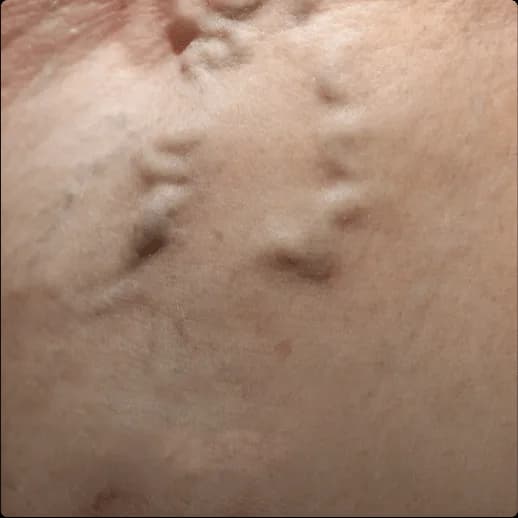
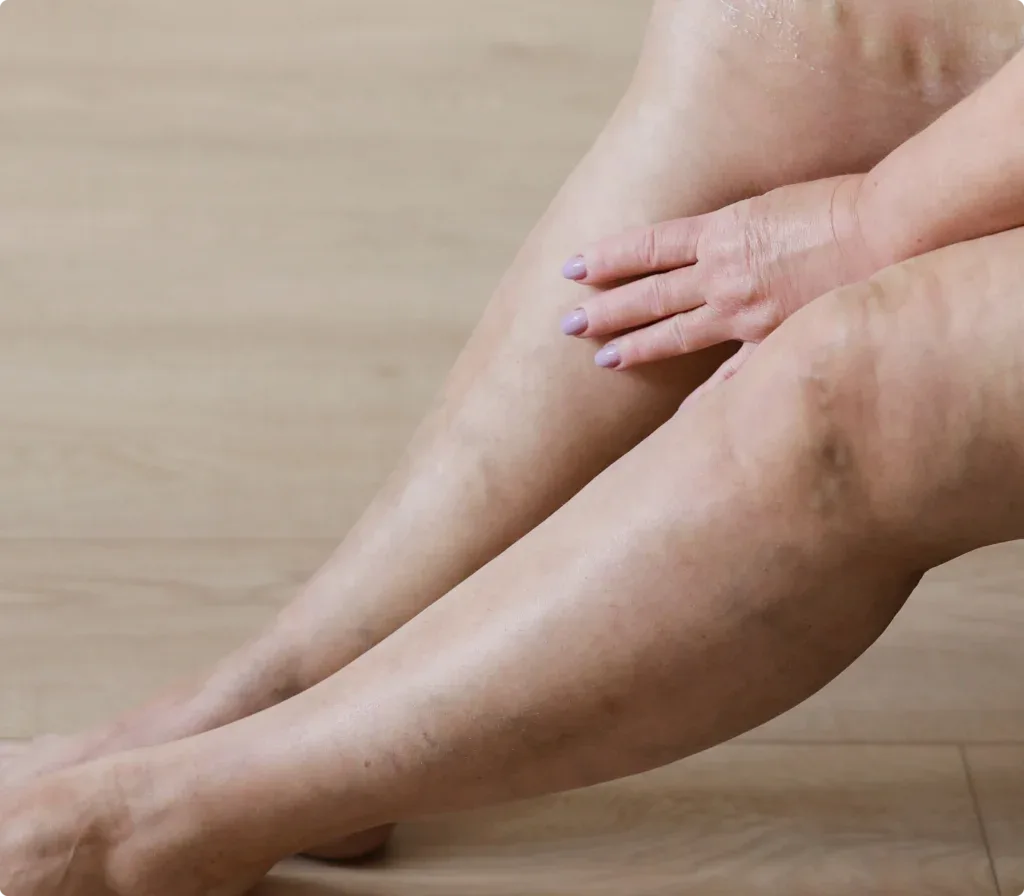
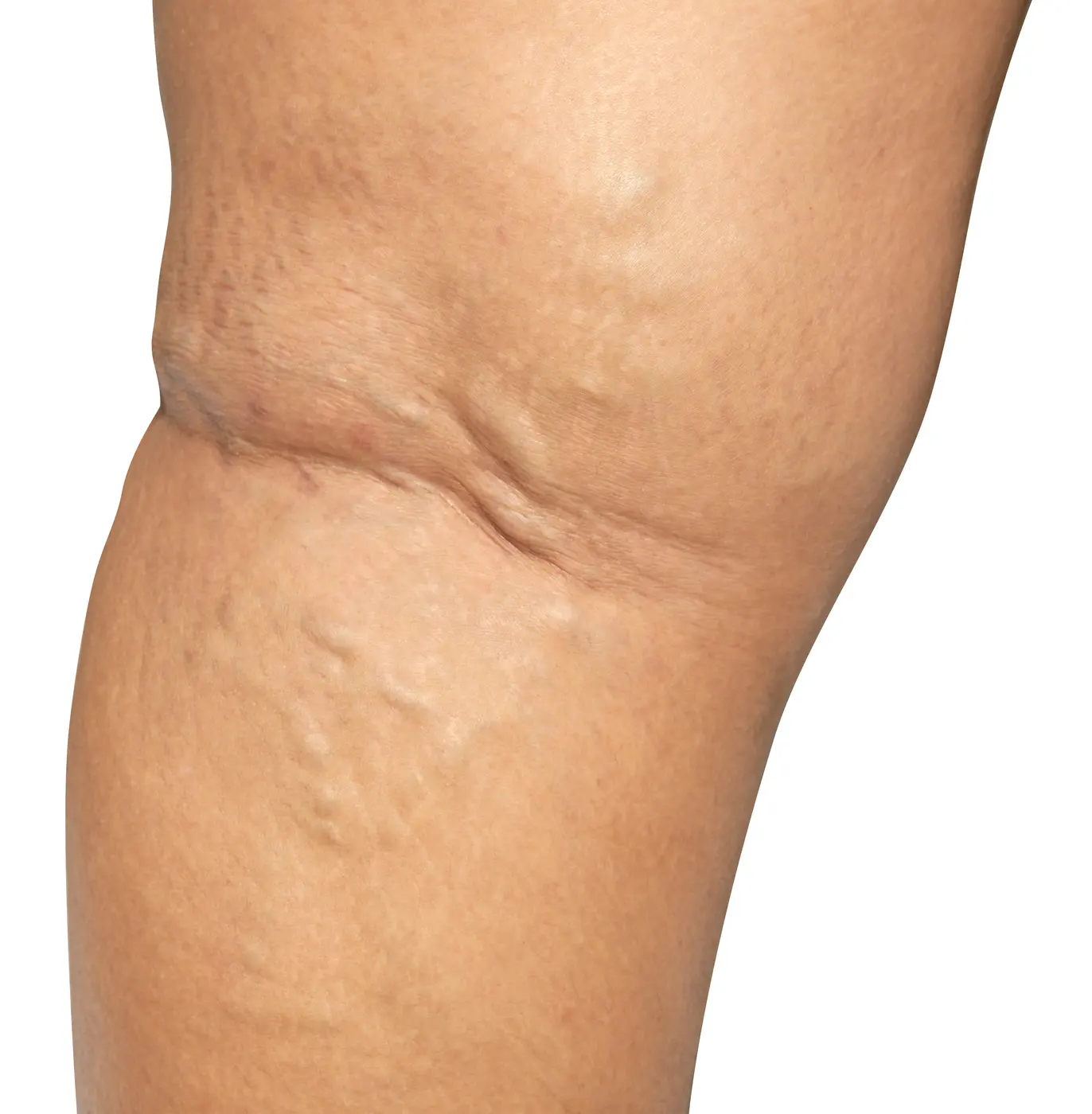
Varicose veins are larger, swollen veins that can be seen bulging beneath the skin. They may cause pain, swelling, and discomfort, particularly after long periods of standing or sitting. Varicose veins can also lead to more severe complications if left untreated.
Symptoms:
- Large, twisted veins visible under the skin
- Swelling in the legs
- Pain or heaviness in the legs
- Aching, cramping, or throbbing sensations
Causes:
- Pregnancy
- Obesity
- Prolonged standing or sitting
- Family history
- Treatment
- Common treatments for varicose veins include sclerotherapy, endovenous laser therapy (EVLT), and Varithena, a minimally invasive foam solution used to close problematic veins.
Chronic Venous Insufficiency (CVI)
CVI occurs when the veins in the legs can't pump blood back to the heart effectively, often due to valve failure. This can result in blood pooling in the lower extremities, leading to swelling, discomfort, and other symptoms.
Symptoms:
- Swelling in the lower legs or ankles
- Pain or heaviness in the legs
- Skin changes, such as redness or ulcers
- Itching or burning sensations
Causes:
- Long-term varicose veins
- Previous blood clots
- Sedentary lifestyle
- Obesity
- Treatment
- CVI may require a combination of lifestyle changes, compression stockings, and procedures like vein ablation or vein stripping to improve blood circulation.
Deep Vein Thrombosis (DVT)
DVT is a serious condition where a blood clot forms in one of the deep veins of the leg. If left untreated, DVT can lead to life-threatening complications, such as a pulmonary embolism.
Symptoms:
- Swelling in one leg
- Pain or tenderness in the leg
- Red or discolored skin on the leg
Causes:
- Prolonged immobility
- Injury to the veins
- Certain medical conditions like cancer or obesity
- Treatment
- DVT requires urgent medical attention, and treatment often involves anticoagulant medications or procedures to dissolve the clot.
How Vein Disease Develops
Several factors can contribute to the development of vein disease, including genetics, age, gender, and lifestyle choices. Other risk factors include pregnancy, obesity, and prolonged periods of standing or sitting. The condition can develop gradually, with symptoms becoming more noticeable over time. Early detection and treatment can prevent further complications and improve overall leg health.
Treatment Options for Vein Disease
Treatment for vein disease depends on the type and severity of the condition.
Some common treatments include:
- Sclerotherapy
- A minimally invasive procedure for spider veins and small varicose veins that involves injecting a solution to collapse the vein.
- Varithena
- A foam treatment used for larger veins, ideal for treating veins that are difficult to access.
- Compression Stockings
- Used to improve circulation and alleviate symptoms of vein disease, particularly in the early stages.
- Radiofrequency Ablation
- A minimally invasive procedure that uses heat from radiofrequency energy to close off damaged veins, redirecting blood flow to healthier vessels.
- VenaSeal
- A minimally invasive treatment for varicose veins that uses medical adhesive to seal off damaged veins, allowing blood to reroute to healthier veins, with little to no downtime.
How to Know if You Have Vein Disease
If you're experiencing symptoms like swelling, pain, or visible veins, it's important to consult a vein specialist to determine the best course of action. Early treatment can prevent further damage to your veins and improve your quality of life. A vein specialist can perform a thorough evaluation, including an ultrasound, to assess the health of your veins and recommend appropriate treatment options.
Take the Next Step Towards Healthy Legs at Vein-ity in Kansas
Vein disease is more common than you might think, and it's important to address any symptoms early on to prevent long-term complications. At Vein-ity in Kansas, we offer a range of treatments to help you manage and treat your vein disease effectively. Our expert team is here to guide you through the process and ensure you get the best care possible.
Contact us today to schedule your consultation and learn more about how we can help you achieve healthier, more comfortable legs.
Frequently Asked Questions About Vein Disease
- What causes vein disease?
- Vein disease can be caused by a variety of factors, including genetics, age, prolonged standing or sitting, pregnancy, and obesity.
- Can vein disease be cured?
- While vein disease can't always be cured, it can be managed effectively with treatments like sclerotherapy, laser therapy, and lifestyle changes.
- Are there any at-home treatments for vein disease?
- While at-home treatments like compression stockings can help manage symptoms, professional treatments are often necessary for effective long-term results.
- How can I prevent vein disease?
- Maintaining a healthy weight, exercising regularly, and avoiding prolonged periods of standing or sitting can help reduce the risk of developing vein disease.
Spider veins, varicose veins, chronic venous insufficiency and DVT compared: what each one looks like, what causes it, and which treatments are used for it.
Most visits start with a conversation and an ultrasound. We verify your benefits and give you a clear estimate before anything is scheduled.