
Conditions · Olathe, KS
Varicose Veins in Olathe & Overland Park, KS
Varicose veins are more than a cosmetic issue. They can make you feel self-conscious or limited in your activities. We treat this condition with medical expertise in a boutique setting, where your concerns are heard and your results matter.
- 30–60 minMost procedures
- Same dayWalking after
- Most plansAccepted & verified
The basics
What are varicose veins?
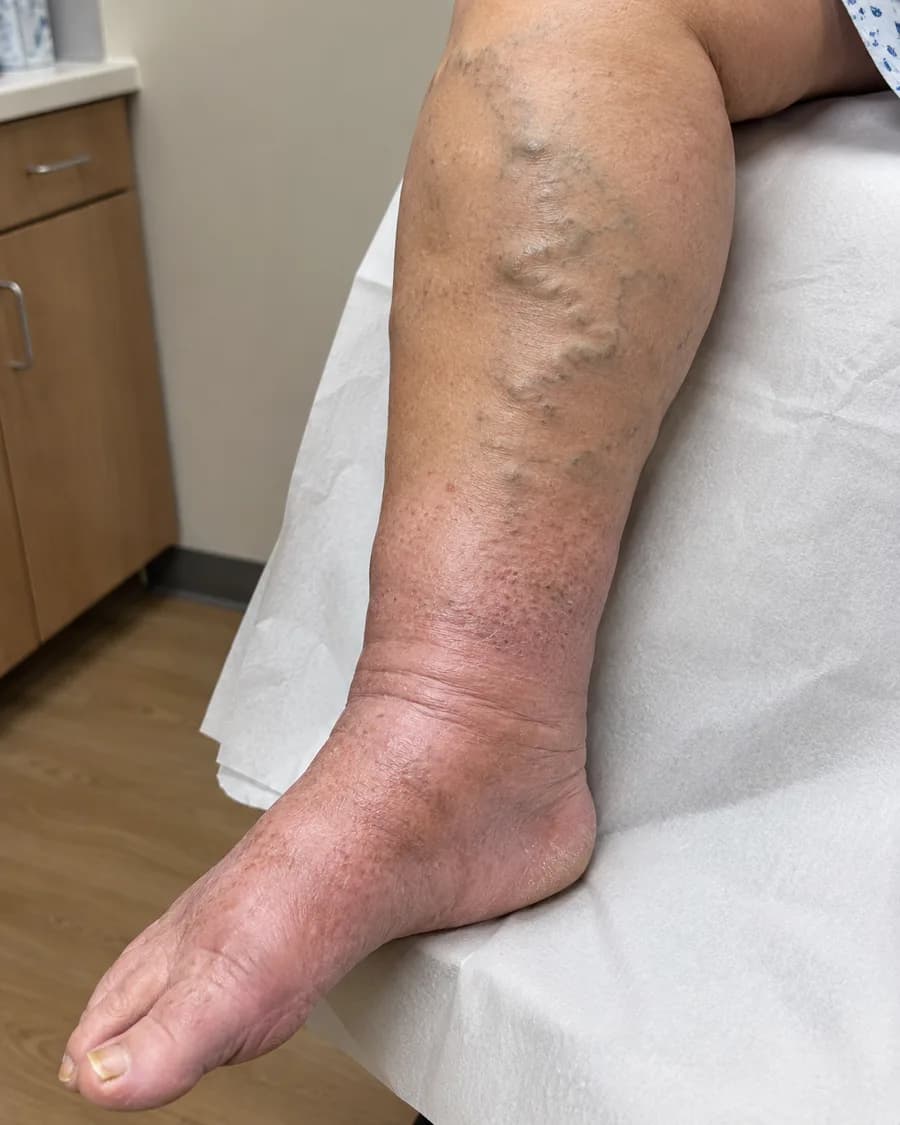
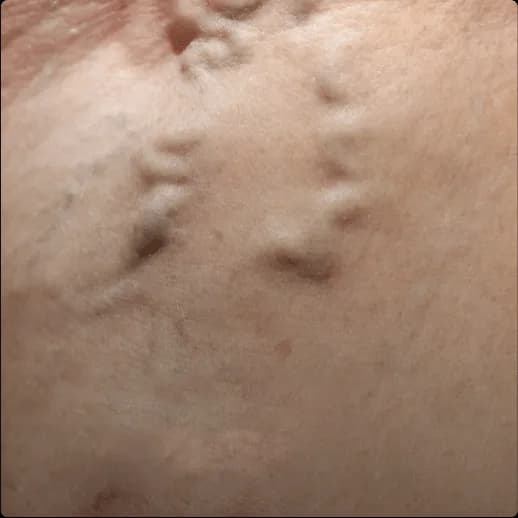
Varicose veins are enlarged, twisted veins that commonly appear on the legs and feet. They form when the small valves inside the veins weaken or become damaged, allowing blood to flow backward and pool instead of returning to the heart.
While they may start as a mild concern, varicose veins can worsen over time if left untreated. They can cause swelling, pain, fatigue, and in some cases more serious problems.
What you may notice
Symptoms you may recognize
Conditions
The risks of leaving varicose veins untreated
4In this list
Skin ulcers, particularly around the ankles
Where pressure in the lower leg stays raised for long enough, the skin above the ankle can break down and open into a wound. A venous ulcer is slow to heal while the reflux underneath it is still there, which is what separates it from an ordinary scrape.
Blood clots, in rare cases, vein disease may increase this risk
Blood that pools instead of moving on is more likely to clot than blood that keeps moving. This remains uncommon: in rare cases, vein disease may increase the risk.
Chronic inflammation, and leg pain
A vein held at pressure irritates the tissue around it, and that irritation does not settle while the pressure remains. It is why the ache that used to arrive at the end of a long day starts arriving earlier and staying longer.
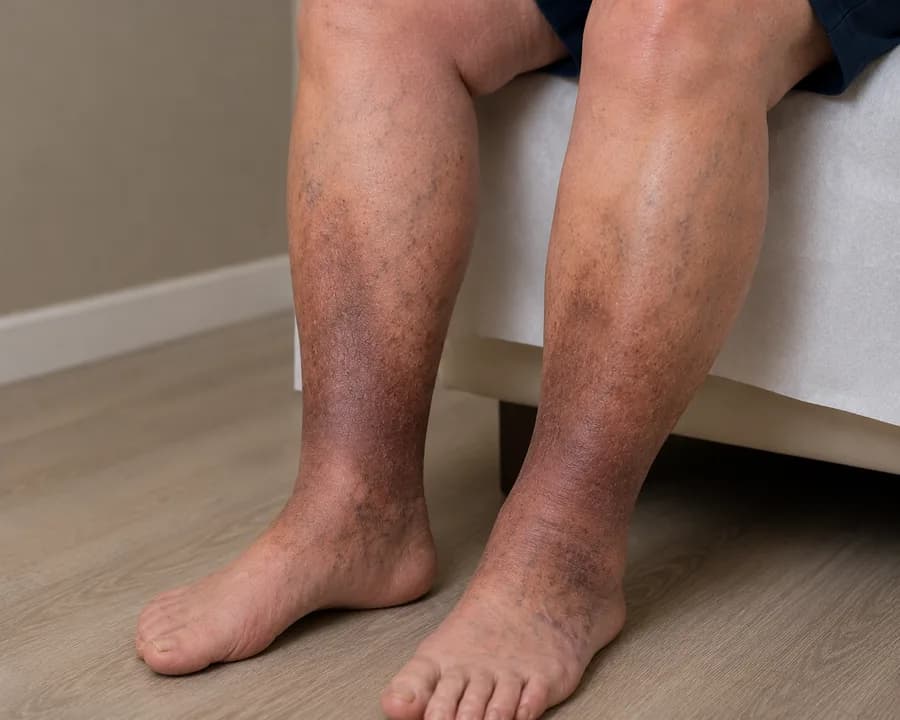
Permanent changes to the skin, including discoloration and thickening
Sustained pressure pushes fluid and blood cells out of the vein into the surrounding tissue, which stains the skin around the ankle a brownish color and thickens it over time. These are described as permanent because the skin does not go back to how it looked.
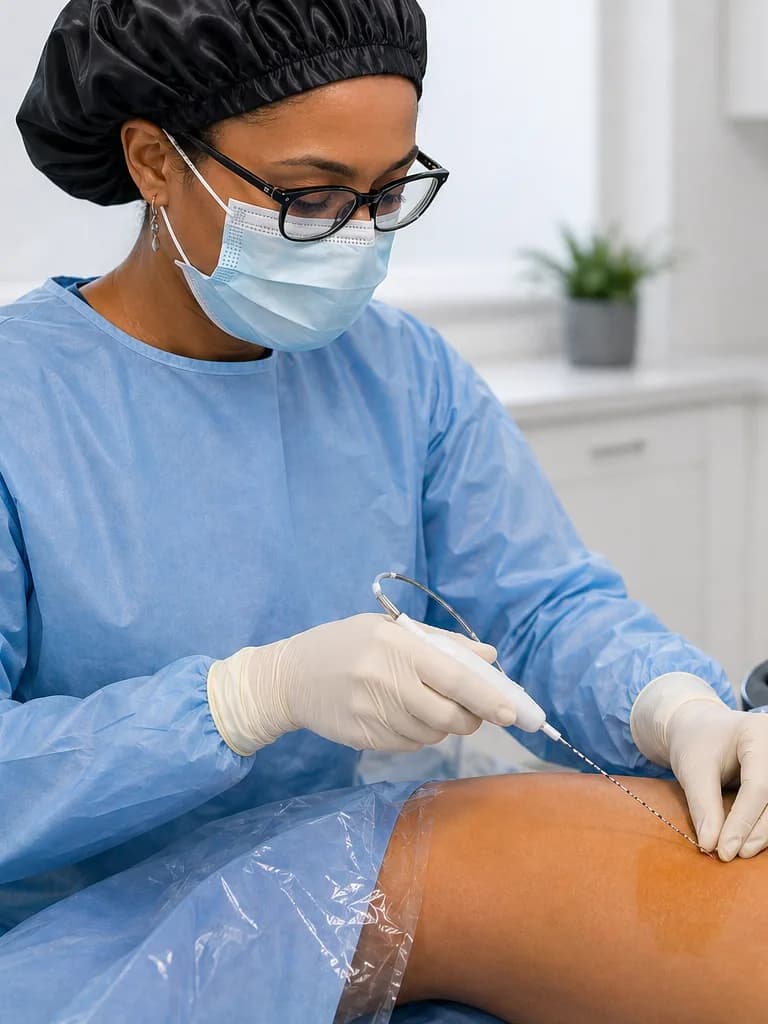
Radiofrequency Ablation
Enjoy improved comfort, better circulation, and smoother-looking legs with a minimally invasive treatment that gets you back to your routine quickly.
Learn more about Radiofrequency Ablation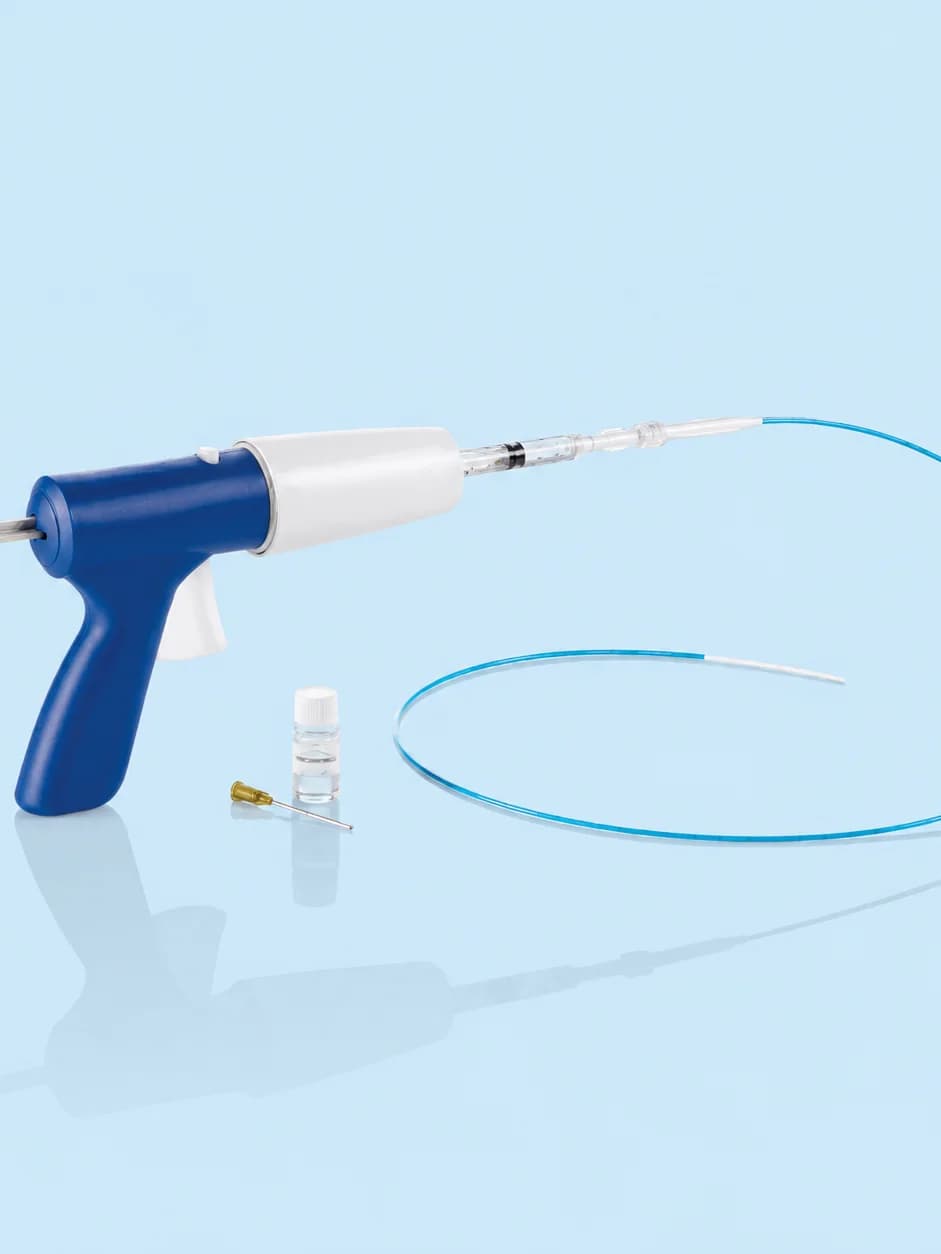
VenaSeal™
Achieve smooth, flawless legs with VenaSeal™ at Vein-ity, the quick and effective solution for varicose veins. Find lasting relief from varicose veins with VenaSeal™, a minimally invasive treatment designed to improve both comfort and circulation.
Learn more about VenaSeal™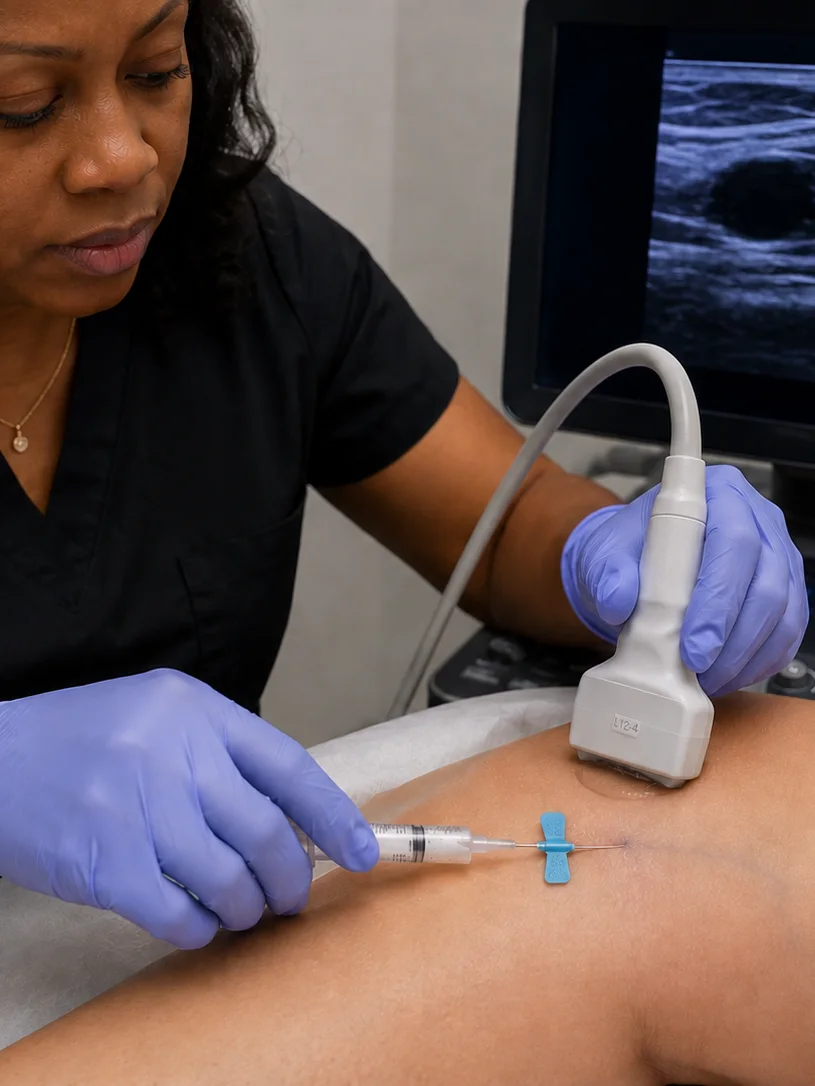
Varithena™
at Vein-ity, the quick and effective solution for varicose veins
Learn more about Varithena™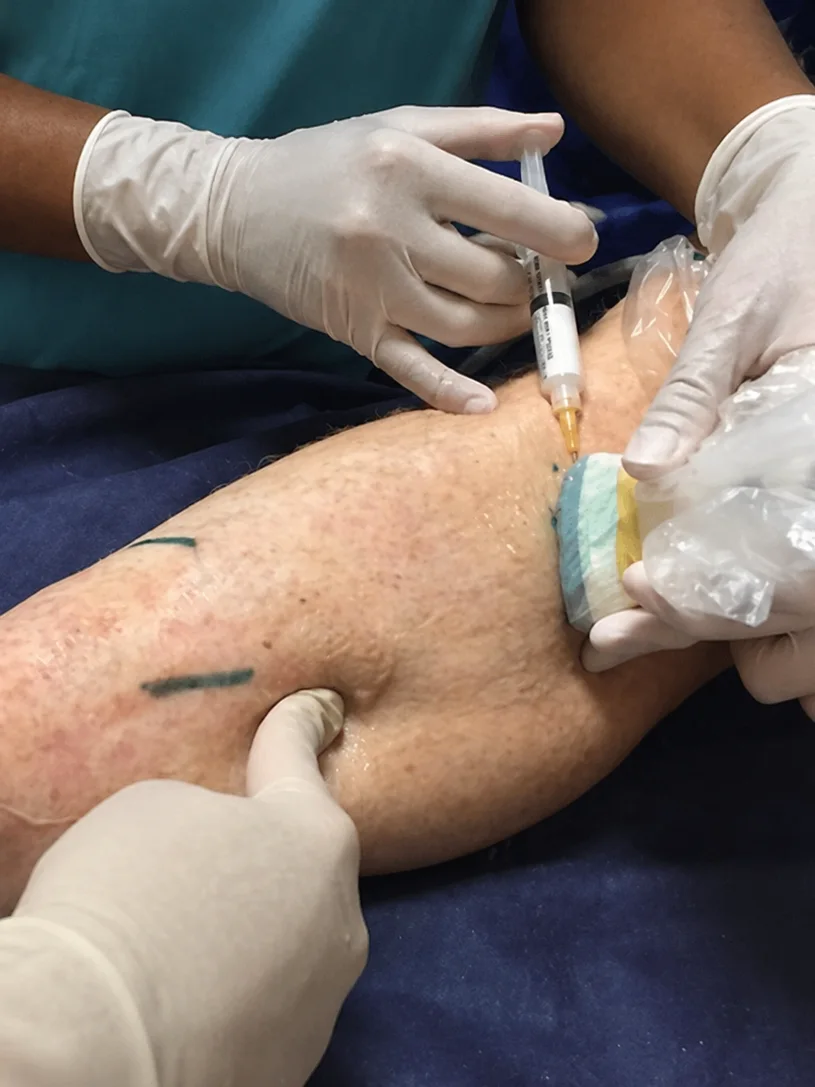
Ultrasound Guided Sclerotherapy
At Vein-ity Vein Care Centers of Kansas, we offer Ultrasound Guided Sclerotherapy, a precise technique guided by ultrasound that eliminates hard-to-reach varicose veins, improving the look of your legs.
Learn more about Ultrasound Guided SclerotherapyHow it develops
What untreated reflux does over time
A vein that is working
One-way valves inside the vein open to let blood move toward the heart, then close so it cannot fall back down the leg. The vessel wall holds its normal width, and the valve edges meet cleanly each time they close.
Stage 1 of 4
A valve stops closing
When a valve no longer closes completely, some blood falls backward through it and pools instead of moving on. This backward flow is called reflux. From the outside there may still be nothing to see.
Stage 2 of 4
The vessel widens
Sustained reflux raises the pressure the vein wall has to hold. The vessel dilates and lengthens in a fixed space, which is what gives varicose veins the twisted, raised shape that becomes visible at the skin surface.
Stage 3 of 4
The skin is affected
Where raised pressure persists in the lower leg and ankle, it can begin to affect the skin itself — discoloration, thickening, and in some cases an open ulcer that is slow to heal. This is the stage the risks list above is describing.
Stage 4 of 4
Treatment options that fit your needs
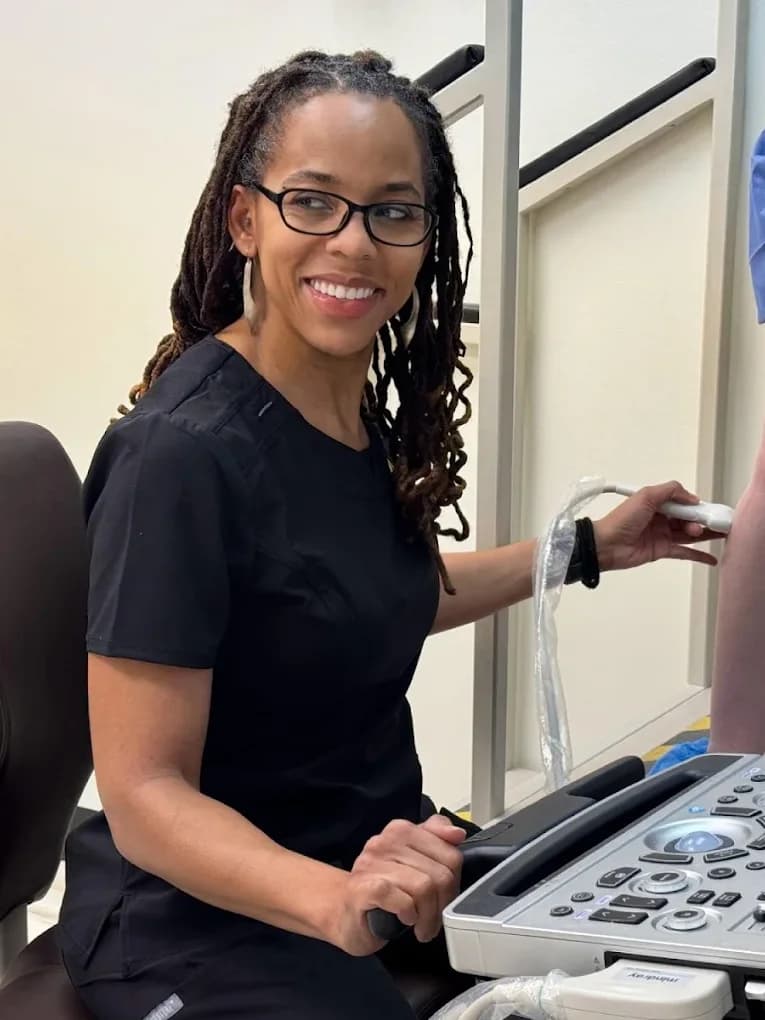
If we believe the condition is medical rather than cosmetic, a diagnostic venous insufficiency ultrasound is performed. We do not perform diagnostic ultrasounds for cosmetic sclerotherapy. Options include radiofrequency ablation, VenaSeal™, Varithena™, and ultrasound-guided sclerotherapy.
Varicose veins are more than cosmetic. Board Certified Thoracic Surgeon Dr. C. Allyson Walker treats them with minimally invasive care in Olathe, Kansas.
Most visits start with a conversation and an ultrasound. We verify your benefits and give you a clear estimate before anything is scheduled.