Varicose veins can cause discomfort, swelling, and visible changes in the legs, leading many in Olathe, KS, to seek effective vein treatment. Whether varicose veins return after treatment depends on the procedure performed and long-term vein health habits.
Dr. C. Allyson Walker, a board-certified thoracic surgeon and founder of Vein-ity Vein Care Centers of Kansas, brings advanced training in cardiovascular and thoracic care to the treatment of vein conditions. Her background in complex surgical care supports a precise, patient-focused approach to improving and maintaining vein health.
Why Varicose Veins May Reappear
Modern vein treatment options are highly effective at addressing existing varicose veins. However, treatment does not prevent new veins from developing over time. Varicose veins are often linked to underlying vein conditions, such as chronic venous insufficiency, which may continue to progress.
Several factors can contribute to recurrence, including:
- Genetics and family history
- Prolonged standing or sitting
- Weight fluctuations
- Hormonal changes
- Aging and natural wear on vein valves
Even after successful treatment, new varicose veins may form in other areas if these factors persist.
What Vein Treatment Actually Does
Vein treatment targets damaged veins and redirects blood flow to healthier veins. Common procedures may include minimally invasive options to close or remove problematic veins, improving circulation, and reduce symptoms such as swelling, aching, and fatigue.
While treated veins typically do not return, the underlying condition can still lead to new vein issues over time. That is why ongoing care plays an important role in maintaining results.
How To Reduce The Risk Of Recurrence
Maintaining vein health after treatment can significantly lower the chances of new varicose veins developing. Helpful strategies include:
- Staying physically active to promote circulation
- Elevating the legs when possible
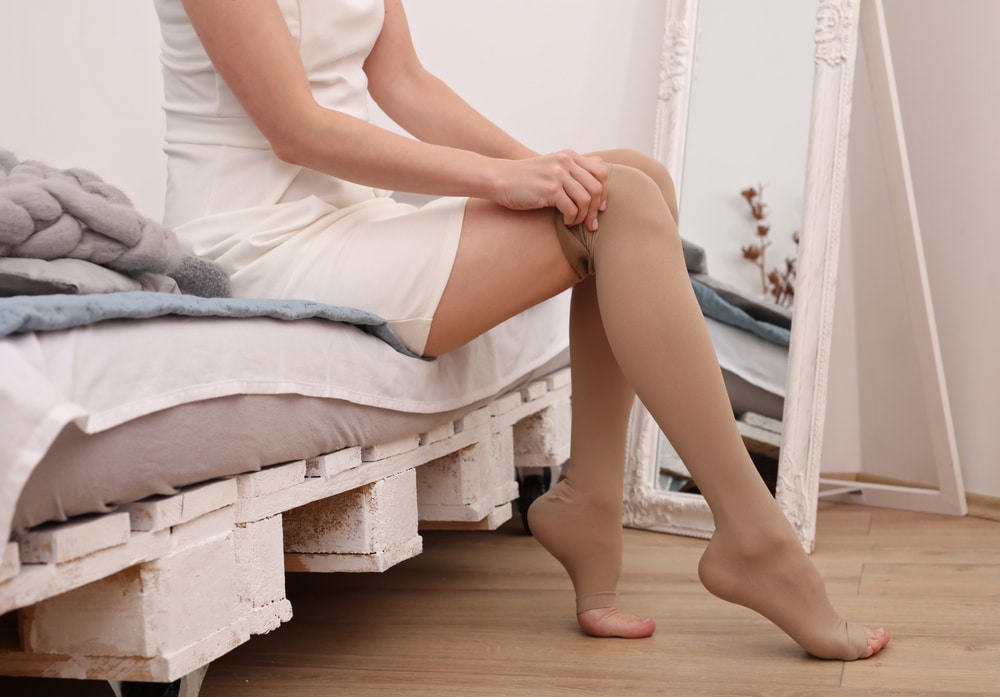
- Wearing compression stockings as recommended
- Maintaining a healthy weight
- Avoiding long periods of inactivity
Consistent follow-up care also allows providers to monitor vein health and address concerns early.
Signs It May Be Time For Follow-Up Care
Even with successful vein treatment, changes in vein health can occur over time. Paying attention to the legs and any new developments can help support long-term results. Subtle symptoms may indicate the need for additional care or monitoring.
Some signs to watch for include:
- New visible varicose veins
- Mild aching or heaviness in the legs
- Swelling after long periods of standing or sitting
- Skin changes around the ankles or lower legs
Addressing these changes early can help manage symptoms and maintain the benefits of prior vein treatment. Regular follow-up care also allows for timely adjustments to support ongoing vein health.
Find Lasting Relief From Varicose Veins In Olathe, KS
Varicose veins can return, but proactive care and expert treatment can help maintain long-term results. Vein-ity Vein Care Centers of Kansas provides advanced solutions tailored to individual needs.
For more information or to schedule a consultation, call 913-712-7031 to explore effective options for improving and maintaining vein health.